
A Household Review of Safe Firearm Storage
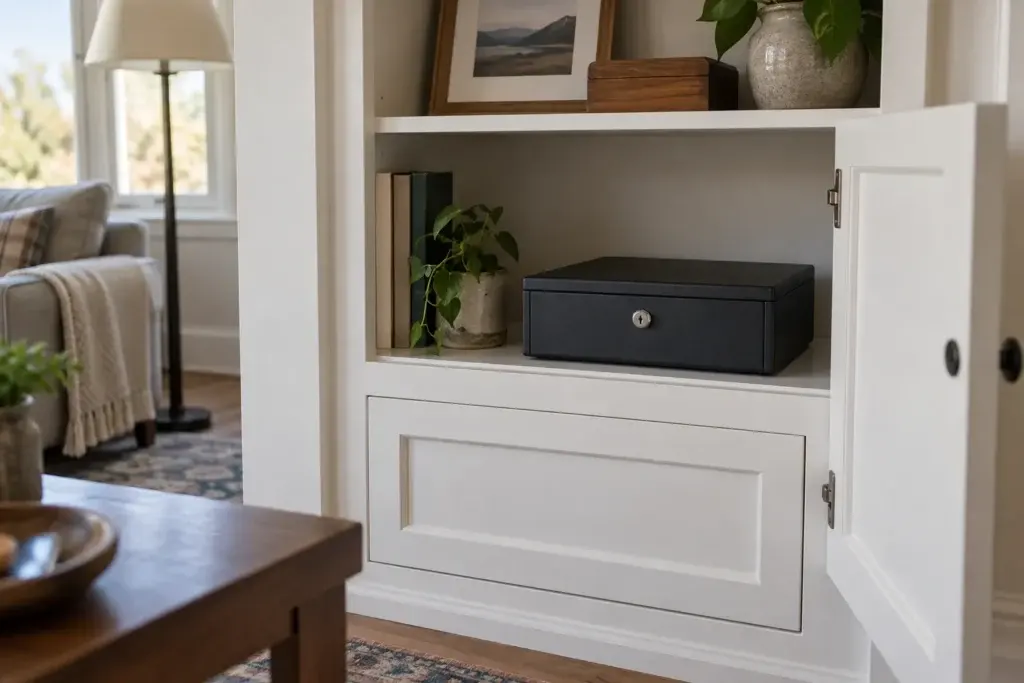
The cabinet door shuts and the room looks neat. It is tempting to call the storage job finished. In a home with a firearm, appearances tell you very little. The real questions are about access: who can get to the gun, who has the keys and what happens when the normal day-to-day changes. A visit from family, a room being painted or someone borrowing a bag can show a weakness that was easy to miss on an ordinary night.
For someone who owns a GLOCK, a useful review starts with the safety advice from the maker and the directions that came with the gun and the storage items. This article is about how things are set up in the house, not about how to handle the gun. If you are unsure about the firearm’s condition, stop and seek qualified help. An internet checklist cannot replace the correct manufacturer’s instructions or proper safety training.
Think about the people who use the home
List the situations that your storage plan has to handle. Think about more than the adults who live there. Kids may come even if none live in the house. A cleaner, a worker, a relative or a person staying over may go into rooms that're usually private. A spare bedroom can be used by someone for a few days. These are ordinary changes, and the storage setup should stay safe through them without depending on people remembering something that was never said.
Do not think that a person’s usual behavior is a lock. A kid who was told not to open a cabinet might still be curious. An adult guest might look for a towel in a drawer they don’t know. The question is whether the arrangement prevents unauthorized access, not whether you expect someone to try. GLOCK’s guidance calls for firearms to be stored unloaded in a locked case, inaccessible to children and unauthorized adults. A familiar room does not remove that responsibility.
Separate concealment from secure storage
A hidden place and a secure place are not the same. A high shelf, a bedside drawer or a box placed behind clothes might keep something out of view but not out of reach. Look at the storage equipment as equipment: read the instructions, know what it is meant for and make sure the setup and any fixing meet the maker’s guidelines. A picture of a box cannot show any of these things.
There is no general advice just based on how a cabinet looks. Homes are different and storage products have different limits. Think about the setup instead of just one nice feature. Where will it go? Can it be taken down easily? What if batteries need to be changed? Who can get a key? Answer these questions by using the manufacturer’s information. Do not try to figure out how a lock works by breaking or changing it.
Account for keys and access details
A forgotten spare key can ruin a plan. Include spare keys and any recovery details in the review but keep the review itself secret. A note that says where a key is kept should not be placed next to the cabinet or in a shared family document. Also do not post a picture online of a code, key or lock screen while asking for help about a storage product.
Access needs an owner. Choose an authorized adult to review access after a move, a change in who lives in the home, or work in the room. If access details might have been shared, talk to the company that made the equipment about what to do. Do not guess if a certain lock can be reset. The right way to do it depends on the product and trying to fix it without knowing can cause another problem.
Plan for the awkward ten minutes
The weakest moment can be the time that comes between two otherwise safe arrangements. Packing for an activity, coming home tired or clearing a room for visitors can break a routine. Think about those transitions ahead without touching a firearm during the planning. Identify a secure destination before opening cupboards, moving furniture or placing luggage where someone else might pick it up.
The goal is to avoid improvisation. A bag on a chair is not a plan just because someone expects to return in a few minutes. If the intended storage cannot be used, pause the activity. Arrange an appropriate alternative with qualified guidance. Convenience should not decide access. A household rule is easier to follow when it describes what to do during an interruption, instead of assuming that interruptions never happen.
Keep the instructions together
Keep the correct firearm manual and the storage equipment instructions available to the authorized owner. They serve different purposes and should not be confused. A manual addresses that firearm; the storage manufacturer’s instructions address that product. An old download for a similar item may not be the right document. Confirm the model and revision through official sources when there is doubt rather than relying on a file shared in a discussion thread.
Make a record of useful support contacts and the dates of any checks recommended by the storage manufacturer. Keep this separate from keys, combinations and sensitive ownership details. The record should help someone find the instruction, not provide a map to the firearm. If an electronic document is used, consider whether it is available during an internet outage and whether the account that holds it is shared with people who should not receive that information.
Make visitors part of the plan
Before visitors come, check which rooms and storage areas they will use. Do this early so there is no last-minute rush when they arrive. A person who usually sleeps elsewhere might need to open a cupboard. Children could be playing in a room that's normally quiet. Make sure secure storage is already set up before any changes happen. Do not depend on a visitor remembering a conversation from months ago.
Talking about safety can be simple and private. It doesn’t need to include showing the firearm, testing a lock or explaining where keys are kept. When kids are around, responsible adults should agree on supervision and rules. Don’t assume another adult has already made sure everything is safe. If a visitor brings a firearm, plan how to store it before they get there. The household’s existing plan does not automatically cover another person’s firearm or responsibilities.
Use reminders that lead to a check
A reminder that just says "check safe" is easy to ignore. A better one refers to the manufacturer’s recommended inspection or maintenance and names the person in charge. The task could be checking if a lock is installed correctly, replacing a battery as instructed or making sure the access plan still works. It should not encourage anyone to try testing the firearm. Follow the instructions for the equipment. Ask a professional for help if needed.
Keep the checking schedule in line with the instructions and any changes in the household. There is little point in making up a strict time interval that isn’t based on the product’s guidelines. A big change in the home like a child or a visitor moving in can be enough to require a review—even if the next scheduled check is months away. On the other hand, repeating the same check over and over without thinking about new access points gives a false sense of safety. The real goal is to keep the arrangement safe and fit for the household, not to fill a long list of completed reminders.
Finish with clear responsibilities
At the end of the review, every question that is not yet answered should have a person who's responsible and a next step to take. "Ask the manufacturer about the replacement key process" is a task. "Probably fine" is not. If the current setup does not prevent unauthorized access, address that problem before considering the review finished. Safe storage is something that needs to be done all the time and local rules should be checked with the relevant official authority instead of guessing from a general article.
The best outcome may be modest: there is a plan for interruptions, instructions are easy to find, backup access is controlled, and the responsible adults know what needs attention. An impressive-looking cabinet is not the measure of success. Suitable equipment must be used correctly, with the household’s routines and visitors taken into account. Revisit those arrangements when life changes, rather than waiting for something to go wrong.